Heritage
Libraries of Central Vermont
Vermont has more public libraries per head of population than almost anywhere in the United States, and Central Vermont's are a good illustration of why. Most were founded between 1890 and 1915 by subscription, by a women's club, or by a single local benefactor; most are still in their original buildings; and a surprising number are also the town archive, which makes them the first stop for anyone researching the region.
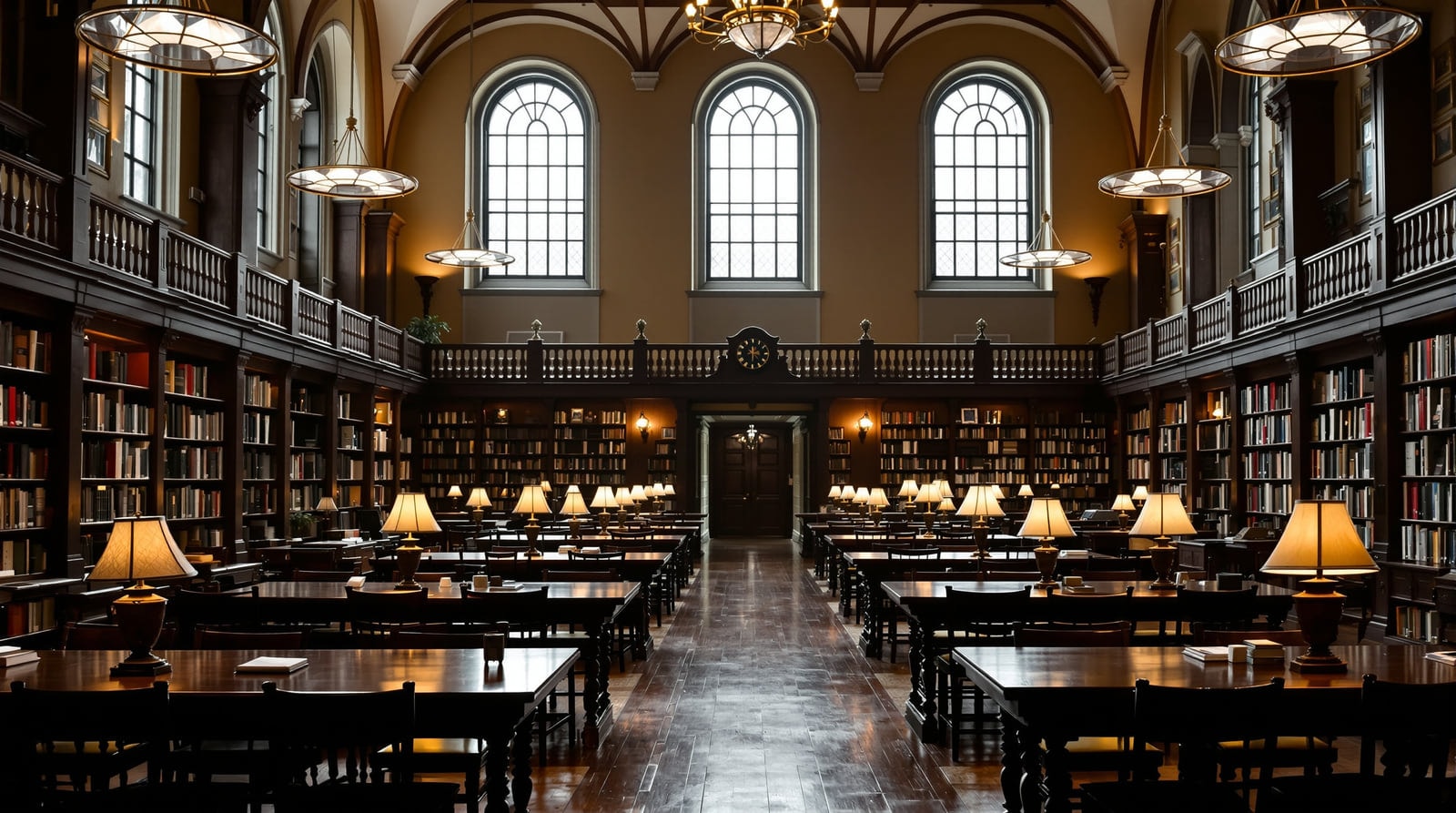
Barre: a library that is also a museum
Barre's public library has served the city, the town and its neighbours since 1908. Unusually, it has housed several institutions under one roof: the town museum, the archive of Barre history, a gallery, and a children's library. That combination is why the city's 1970s ethnic-heritage project was based there — the library already held, or could gather, the photographs, rare books and private records the project needed, and its rooms became the working headquarters for the effort.
For anyone researching the granite industry, immigrant Barre, or a family that worked in the sheds, this is the primary collection. Annual programmes have historically included a national library week observance in April, a large summer book sale, and a children's reading programme.
Montpelier
The capital's public library is a substantial nineteenth-century endowed institution with a strong Vermont collection, and it sits within a short walk of the state historical society's research library and of the state government's own collections — an unusual concentration for a town of eight thousand. Anyone doing serious Vermont research can work through all three in a day.
The town libraries
Almost every town in the region has kept a library, and their histories follow a recognisable pattern: a reading circle or a subscription library in the 1870s or 1880s, incorporation as a free public library around the turn of the century, a purpose-built or donated building, and then a century of steady expansion into whatever the community needed next — story hours, seed libraries, internet access, a room the town committees can meet in.
Libraries have historically served the following Central Vermont communities:
- Barre City and Barre Town
- Berlin
- Brookfield
- Cabot
- Calais
- Chelsea
- East Montpelier
- Marshfield
- Middlesex
- Montpelier
- Moretown
- Northfield
- Peacham
- Plainfield
- Randolph
- Roxbury
- Waitsfield
- Warren
- Washington
- Waterbury and Waterbury Village
- Woodbury
- Worcester
A few towns in the region — the smallest and most dispersed — have never had a library of their own, and their residents have always used a neighbouring town's. The historical guide to these libraries noted the fact plainly, which is a very Vermont piece of record-keeping.
What the local collections hold
The material that is genuinely hard to find elsewhere is local and unglamorous:
- Town reports, printed annually since the nineteenth century, listing every officer, every expenditure and, in older volumes, every dog licensed. They are the single most useful source for placing a family in a town in a given year.
- Local newspapers, often on microfilm and often the only surviving run.
- Photograph collections, usually donated in family batches and often only partly catalogued.
- Manuscript town histories — the drafts and notes behind the printed histories summarised in this guide's town histories.
- Cemetery transcriptions, compiled by volunteers over decades and frequently more legible than the stones themselves.
- School, church and grange records, deposited when the institutions closed.
How to use them
Small Vermont libraries run on limited hours and often on volunteer staffing, and archival material is usually not on open shelves. The practical approach is to write ahead, describe exactly what you are looking for, and go when the person who knows the collection is there. Interlibrary loan across the state is well organised and can move printed material to you; the manuscript and photographic holdings cannot travel and have to be visited.
Start wide and narrow down: the statewide collections at the Vermont Historical Society will tell you whether a town's records survive at all, and the Vermont Department of Libraries maintains the statewide catalogue and directory that will tell you where they are.
For context on the towns themselves, read the town histories; for the institutions that sit alongside the libraries, see heritage and museums.
References
- Vermont Department of Libraries — The state agency that supports and coordinates Vermont's public libraries.
- Vermont Historical Society — Holds the statewide manuscript and photographic collections.